How to Compare Different Home Heating Systems: A Practical Guide

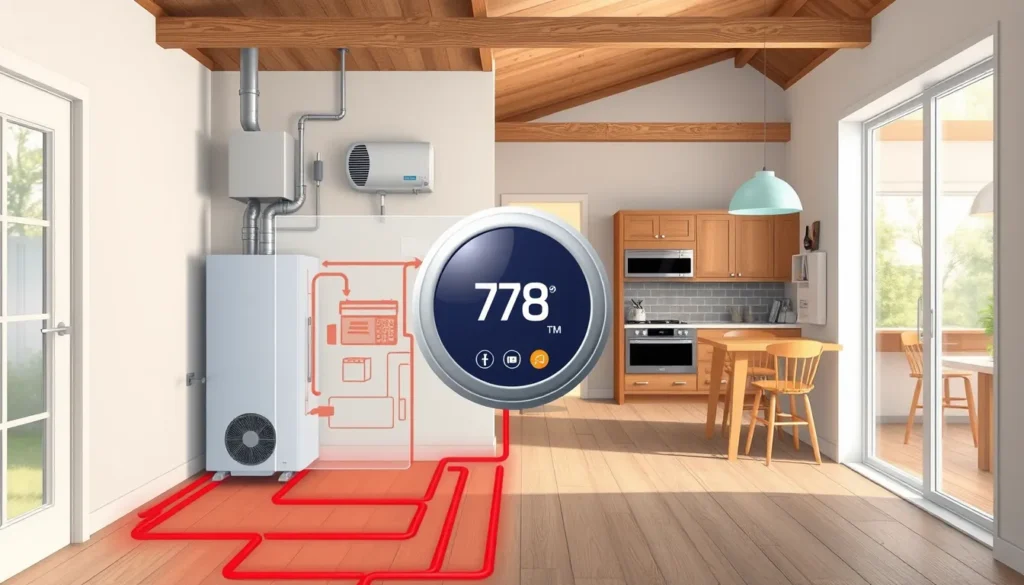
This guide is for anyone who’s buying a new home, renovating, or simply wants a more efficient way to stay warm. It walks you through the basics of furnaces, boilers, heat pumps, radiant floor heating, and even biomass stoves, so you can understand exactly how each system delivers heat.
By the end, you’ll know how to compare different home heating systems using clear criteria like AFUE, COP, and HSPF, and you’ll have a practical framework for matching performance, cost, climate suitability, and your lifestyle preferences to the right solution for your house.
Common Residential Heating Technologies Explained
Furnaces and Boilers
Furnaces and boilers both burn fuel or use electricity to generate heat, but they distribute it differently. A furnace blows heated air through ducts to vents throughout your home. It typically runs on natural gas, propane, or electricity. Boilers, however, heat water or steam that circulates through pipes to radiators or in-floor tubing. This method provides consistent warmth without forced air noise. Both systems are usually installed in mechanical closets, basements, or garages, requiring adequate space for the unit, fuel storage, and ventilation.
Heat Pumps
Heat pumps do not burn fuel to create heat. Instead, they move thermal energy from the outside air or ground into your home. In winter, they extract heat from outdoor air or the earth and transfer it indoors. These systems are highly efficient because they move heat rather than generate it. Installation locations vary; air-source units sit outside, while ground-source systems require a loop field in the yard. Ducted heat pumps may integrate with existing ductwork, while ductless mini-splits mount on interior walls.
Radiant and Biomass Options
Radiant floor heating circulates warm water through pipes embedded in the floor, releasing heat upward. It works well with boilers or heat pumps and offers zoned comfort. Biomass stoves burn wood, pellets, or other organic materials. They provide direct heat from a single appliance and are often used as supplemental heat in living spaces. These units require a chimney or venting system and regular fuel handling, making them suitable for homes with wood supply access.
Key Criteria for Comparing Heating Systems
With the basic mechanics understood, you need standardized metrics to compare performance accurately. Efficiency is the primary lens, but it is measured differently depending on the technology. For gas, oil, or propane furnaces, look at AFUE (Annual Fuel Utilization Efficiency). This percentage indicates how much fuel is converted into usable heat versus lost through exhaust. Higher AFUE means less waste and lower utility bills.
Electric resistance systems and heat pumps are evaluated using COP (Coefficient of Performance). Because heat pumps move heat rather than generate it, their COP is typically higher than 1, making them highly efficient. HSPF (Heating Seasonal Performance Factor) provides a seasonal average for heat pumps, accounting for varying outdoor temperatures throughout the heating season.
Beyond efficiency, fuel cost sensitivity dictates long-term expenses. Natural gas is often cheaper per BTU than electricity, but electric heat pumps can offset this gap due to superior efficiency. If you use a Biomass stove, fuel costs depend on local timber or pellet prices, which fluctuate differently than utility rates.
Climate suitability is critical. Heat pumps lose efficiency in extreme cold, while gas furnaces perform consistently. Sizing is equally important; an oversized unit short-cycles, causing temperature swings and increased wear. Undersized units struggle to maintain comfort during cold snaps.
Finally, consider emissions and comfort. Combustion systems produce exhaust that must be vented safely. Electric and biomass options have different indoor air quality impacts. Comfort characteristics also vary: forced air heats quickly but may circulate dust, while Radiant floor heating provides steady, even warmth without noticeable airflow.
Installation, Maintenance, and Lifecycle Cost Considerations
Beyond the sticker price, the total cost of ownership includes labor, infrastructure changes, and long-term upkeep. Before selecting a system, assess your home’s physical readiness. Forced air Furnace installations often require existing ductwork. If ducts are missing, damaged, or leaky, retrofitted piping can significantly increase initial expenses. Conversely, Boiler systems rely on hydronic piping, which may need replacement if the old infrastructure is corroded. Heat pump and Radiant floor heating installations demand specific spatial planning, such as attic clearance or subfloor access, which can complicate construction in finished spaces.
Maintenance requirements differ by technology. Combustion appliances like Biomass stoves and gas furnaces need regular cleaning of heat exchangers and flues to prevent dangerous carbon monoxide leaks. Electric systems generally require less frequent mechanical service, though filters and coils still need periodic attention. Track service intervals for your specific unit. Manufacturers typically recommend annual inspections for gas systems and triannual checks for high-efficiency heat pumps. Ignoring these schedules voids warranties and reduces efficiency, leading to higher energy bills.
To calculate lifecycle costs, combine the purchase price, installation labor, and projected energy consumption over the unit’s expected lifespan. Add estimated repair costs based on the system’s complexity. Mechanical systems with many moving parts, such as conventional furnaces, often face higher long-term repair risks than simpler electric resistance heating or well-maintained heat pumps. Compare the annualized cost of each option. A higher-efficiency unit with a higher upfront price may offset its premium through lower monthly utility bills over ten or fifteen years. Always factor in potential rebates for high- AFUE or high- COP equipment, which can reduce the net initial investment. This holistic view ensures you are comparing true value, not just the cheapest tag.
Aligning System Choice with Home Characteristics and Lifestyle
Assessing Your Home’s Physical Profile
Start by measuring your home’s square footage and calculating its total heat loss. A well-insulated, smaller dwelling requires far fewer BTUs than a large, drafty structure. Check your insulation levels in walls, attic, and windows. Poor insulation forces any heating system to work harder, reducing efficiency and increasing wear. If your home lacks adequate insulation, upgrading it first can make a lower-capacity system sufficient and more cost-effective.
Evaluating Existing Infrastructure
Inspect what is already installed. If you have a high-efficiency Boiler or Furnace, replacing it with a similar type often minimizes labor costs. However, if you are looking to switch technologies, such as moving to a Heat pump or Radiant floor heating, consider the compatibility with your current ductwork or piping. A Biomass stove requires specific chimney requirements and space for fuel storage, which may not exist in older urban homes. Assess whether your electrical panel can support a new electric system if you choose a high-COP heat pump.
Matching Lifestyle and Goals
Consider how you use your home. Do you travel frequently? Zoned systems or smart thermostats paired with heat pumps offer flexibility. If you have young children, Radiant floor heating provides consistent, silent warmth without blowing dust. Reflect on your environmental goals. A heat pump with a high HSPF rating can significantly reduce carbon emissions compared to fossil-fuel-based systems. Finally, align the choice with your budget. A system that fits your lifestyle but exceeds your financial limits is not a practical choice. Weigh the comfort benefits against the long-term operational costs to find the balance that suits your household best.
Practical Decision‑Making Tools and Next Steps
Building Your Comparison Checklist
To move from general knowledge to a concrete decision, create a simple checklist tailored to your home. Start by listing non-negotiables, such as fuel availability, existing ductwork, and room sizes. Next, add preferred features like smart thermostat compatibility or zoned control. This list serves as a filter for the systems you evaluate, ensuring you do not waste time on options that cannot physically or logically fit your space. Keep the list concise, focusing on the three to five factors that matter most to your household.
Using a Scoring Matrix
A scoring matrix helps objectify your choice. Create a table with candidate heating systems as columns and your key criteria as rows. Assign a weight to each criterion based on importance, then score each system from one to five. Multiply the score by the weight to get a total. This method reveals trade-offs clearly. For example, if a heat pump scores high on efficiency but lower on initial cost, the matrix shows whether that trade-off is acceptable for your budget. It prevents emotional bias from overriding practical data.
When to Call a Professional
Engage an HVAC professional when calculations become complex, such as determining exact BTU loads for different zones or verifying if your electrical panel supports a high-amp draw from a heat pump. They can also inspect your home for air sealing issues that affect system performance. Do not rely solely on online calculators; a site-specific assessment provides the accuracy needed for proper equipment sizing.
Gathering Quotes and Planning Installation
Request detailed written quotes from at least three licensed contractors. Ensure each quote itemizes equipment, labor, permits, and any necessary ductwork or piping modifications. Ask for the expected installation timeline, including lead times for equipment delivery. Schedule the installation during a season with mild weather to minimize disruption and allow for proper testing. Verify that the contractor includes a commissioning process to ensure the system operates at peak efficiency before they leave.
